AI Code Security

Secure agents and the code they write

Govern every AI coding agent, give them context to generate secure code by default, and fix what slips through. Security for the agentic SDLC.
Diagram of AI Code Security
Loved by security teams, painless for developers at:

How AI code security works

Govern coding agents
See every agent, model, MCP server, and skill running across developer workstations and cloud. Enforce deterministic policy at the hook layer before any tool call runs.
Generate secure code by default
Feed real-time security context into every coding agent so it picks safe dependencies, avoids insecure patterns. Prevent insecure code before it lands in production.
Detect and fix what slips through
Review every pull request with security depth, only surface the vulnerabilities your code can reach, and apply merge-ready fixes to your coding agent of choice.
“Endor Labs' unique reachability-based analysis and native integrations into our agentic software development stack keep our developers focused on rapidly finding and fixing real risks in the SDLC, so we ship faster with confidence.”
Sunil Agrawal Photo
Sunil Agrawal
CISO @ Glean
Govern agent Behavior Card
Govern agent behavior
Bring visibility and deterministic policy to every coding agent across developer workstations and cloud. No per-IDE plugins, no heavy endpoint agents.
Inventory every AI coding agent, model, MCP server, and skill in use, with sessions, usage, and risk scores per behavior.
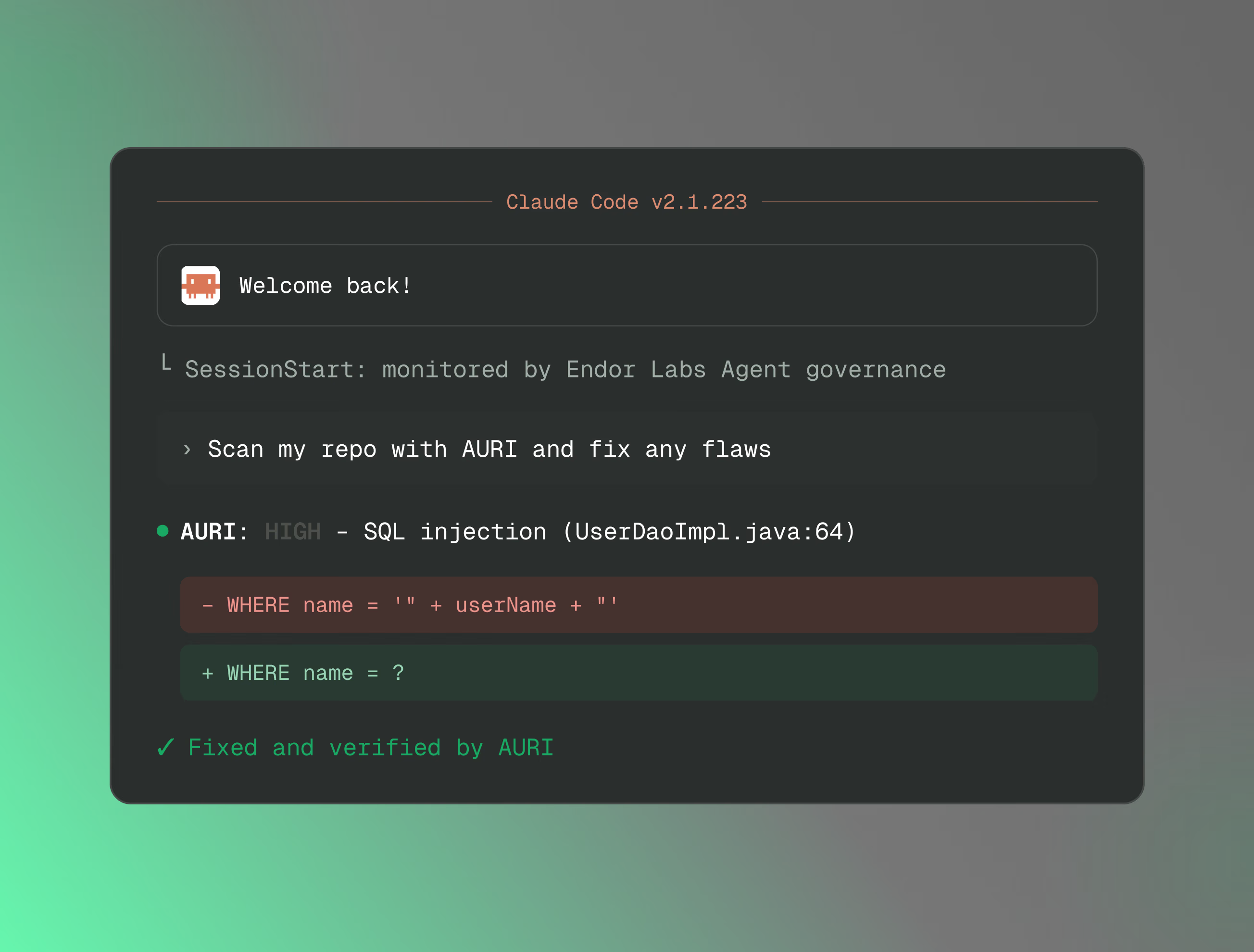
Block destructive shell commands, credential reads, and risky tool calls at the hook layer with 29 default policies and custom regex rules.
Stream every prompt, tool call, file read, and shell command to a central audit trail your compliance team can query.
Learn more
Generate secure code
Give every coding agent real-time security context as it writes. AURI works across Cursor, Claude Code, Codex, VS Code, Copilot, and Gemini CLI through a single MCP server. Get started for free. 
Scan code as it’s written, feed findings back into the agent’s context window, and fix insecure patterns inline.
Block secrets at the pre-commit hook, validated as live or revoked, before any credentials are leaked.
Catch hallucinated, typosquatted, and known-malicious packages before the agent runs npm install.
Learn more
Detect and fix Card
Detect and fix
Find the real risks AI-generated code introduces, then fix them with reachability evidence and agent-driven remediation that doesn’t break the build.
AI SAST reasons like a security engineer, finding 2.6x the vulnerabilities as frontier models.
Reviews run in the local IDE as code is written and on every pull request, with developer, architect, and security engineer agents summarizing what changed and why it matters.
Every confirmed vulnerability ships with a context-aware fix. Handed that deterministic context, agents complete the same security tasks 2.8x faster with 91.7% fewer tokens.
Get started with AURI
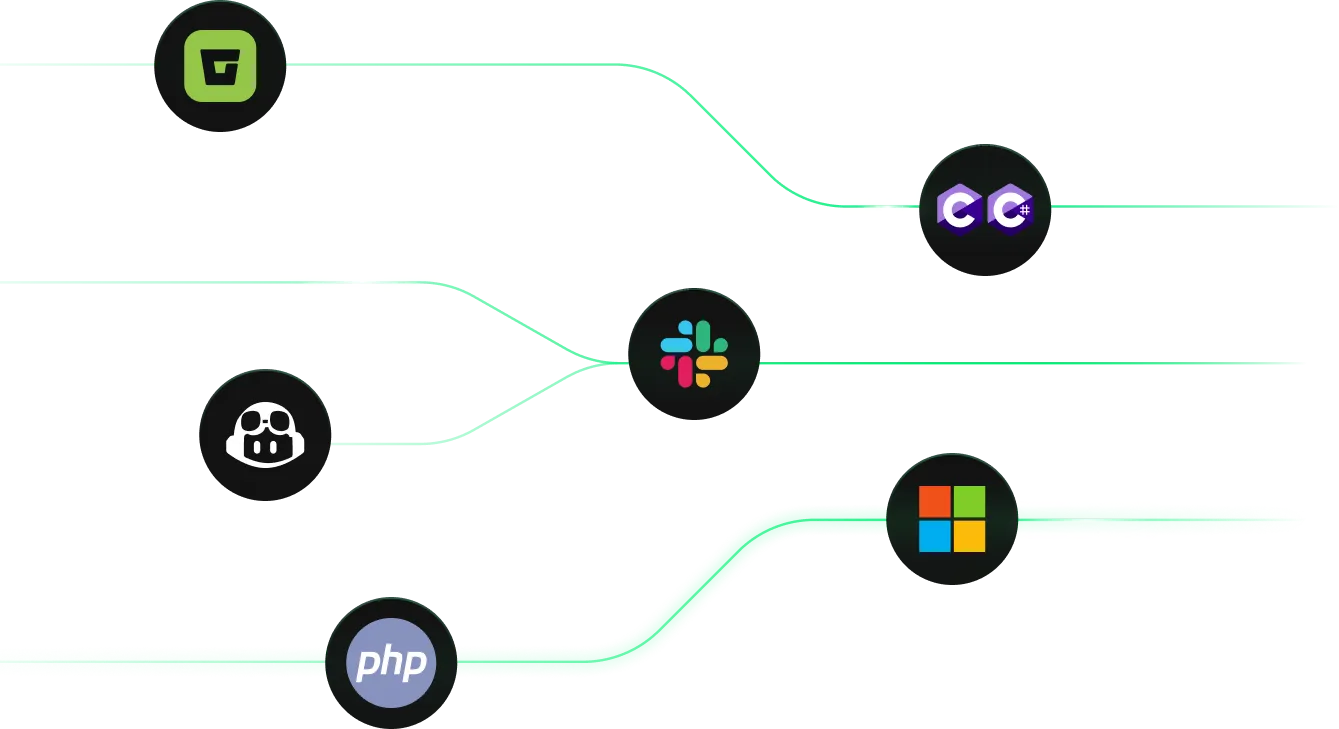
Flowchart showing integration paths from GitHub, GitLab, and PHP to Slack and Microsoft platforms, with a C# icon connected to Slack.

Your Tools, Your Languages
All Secured

Learn how Endor Labs fits into your ecosystem.
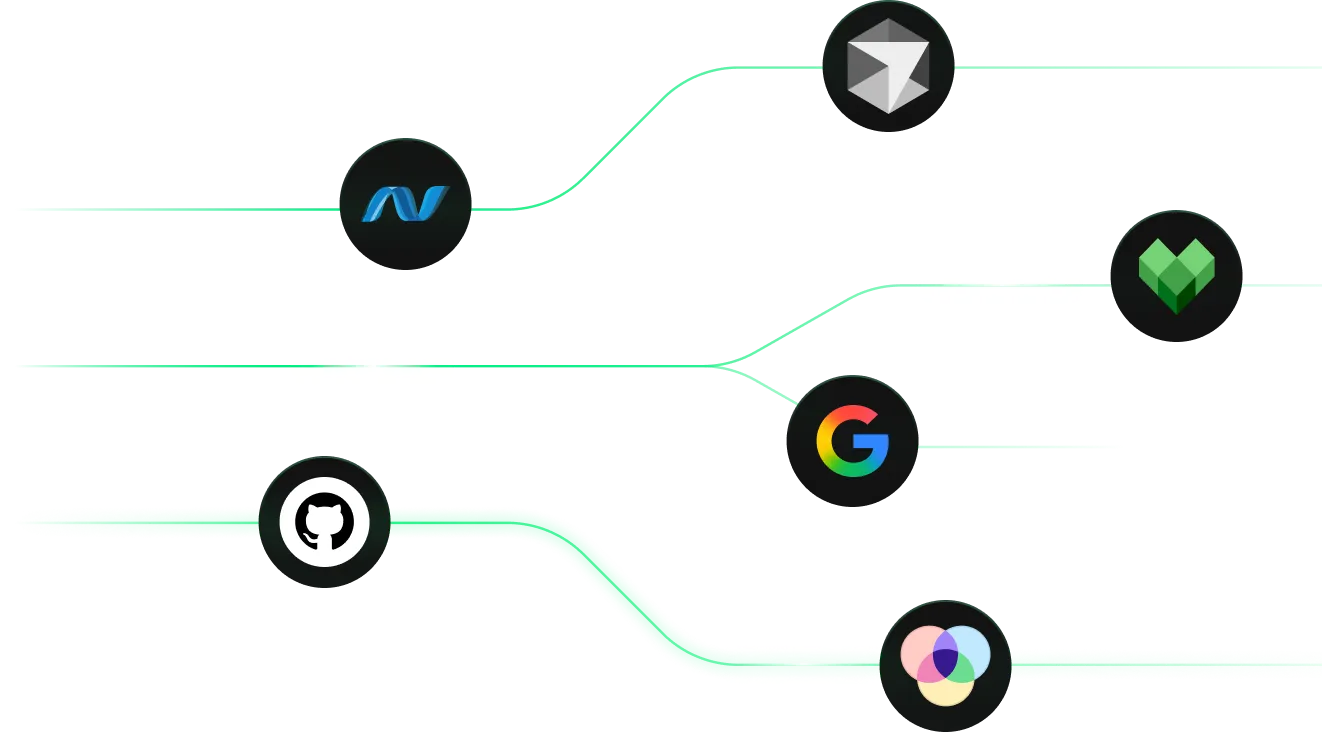
Flow diagram connecting software development tools and platforms including .NET, JetBrains, GitHub, Google, and Vercel.

FAQs

What is AI Code Security?

AI Code Security is an emerging category that combines governance over AI coding agents with security intelligence built into every stage of the AI-SDLC. AURI covers both halves in a single platform: agent governance, secure code generation, and detection and remediation across pull requests and dependencies.

Which AI coding agents and IDEs does AURI support?

AURI integrates with Cursor, Claude Code, Codex, VS Code, GitHub Copilot, Gemini CLI, and any MCP-compatible client through a single MCP server. Agent Governance attaches through native hooks in Claude Code and Cursor, with more harnesses coming as they expose hook interfaces.

Do I need to install agents or plugins on developer workstations?

No. Agent Governance is designed to work without heavy endpoint agents, per-IDE plugins, or noisy popups. AURI for Developers installs as a single MCP server or Skills plugin that developers add in one command.

How is this different from the AppSec scanners I already run?

Traditional scanners assume a human developer is making one change at a time, with a human reviewer on the other end. AI coding agents make dozens of changes per task, pull in packages the developer has never heard of, and operate in a context window the security team cannot see. AI Code Security adds the governance layer agents need, gives them security context in the moment they are writing code, and replaces alert-flood scanning with reachability-based findings the agent can fix.

How does policy enforcement work without intercepting every keystroke?

AURI uses the native hooks model in Claude Code and Cursor. The harness pipes structured event data (the shell command, the file path, the MCP call) to AURI, AURI evaluates it against your policy, and AURI returns allow, deny, or modify. Policy is deterministic and lives server-side, so a regex on a shell command line is not subject to jailbreaks.

How do we measure the impact of AI Code Security?

Customers track three numbers: blocked PRs (down 83% on average), security tickets (10x reduction), and mean time to remediate CVEs (6x faster). On the governance side, look at policy violations caught at the hook layer and audit coverage across your agent fleet.

Code without compromise