PCI DSS compliant, developer approved.






How Endor Labs reduces your PCI DSS burden

.webp)
FAQs
No, and this is the most important thing to understand about Requirement 11.3.1.1. "Managing" a vulnerability doesn't mean remediating it. According to Joe O'Donnell, Senior Manager at Schellman, "If an organization has performed a detailed assessment of a vulnerability and determined it does not require remediation (for example, because it is unreachable), then we consider it to have been managed in alignment with PCI DSS." Endor Labs' function-level reachability analysis gives you the defensible assessment your Qualified Security Assessor (QSA) needs to accept unreachable vulnerabilities as managed.
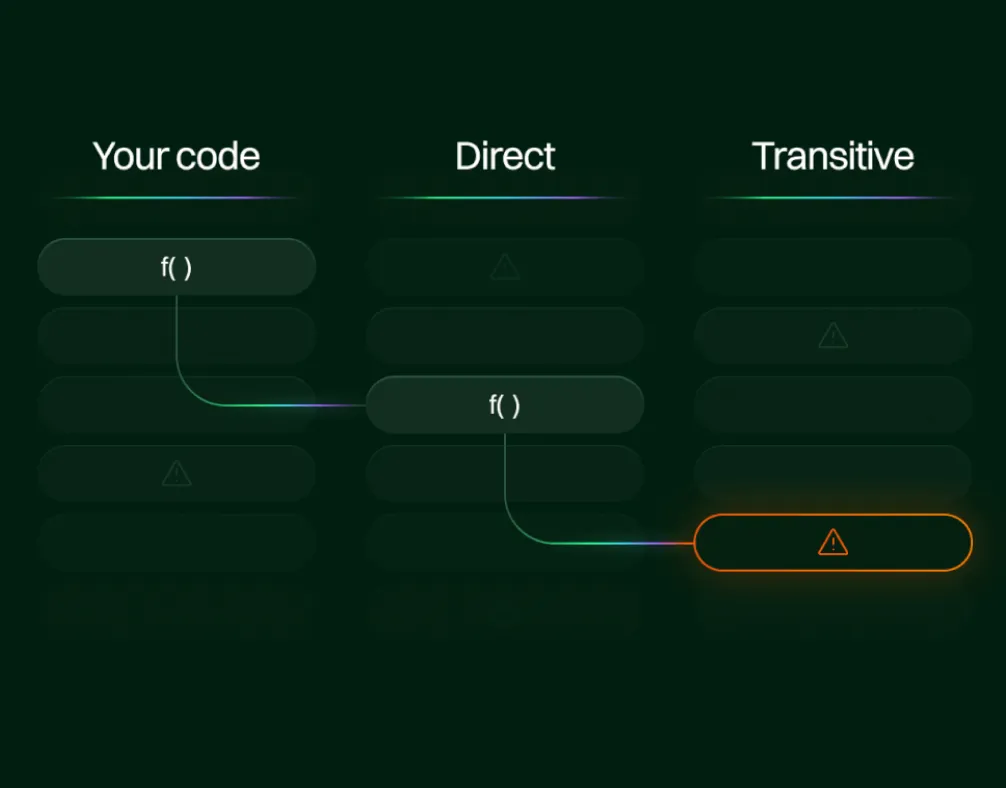
Your QSA needs your risk decisions to be defensible, based on a documented framework and not judgment calls. Endor Labs' function-level reachability analysis builds a complete call graph from your application code through every direct and transitive dependency to the vulnerable function, producing evidence your QSA can review directly in the platform. Schellman, a leading PCI QSA firm, has validated this approach as meeting the standard for demonstrating that a vulnerability does not require remediation.
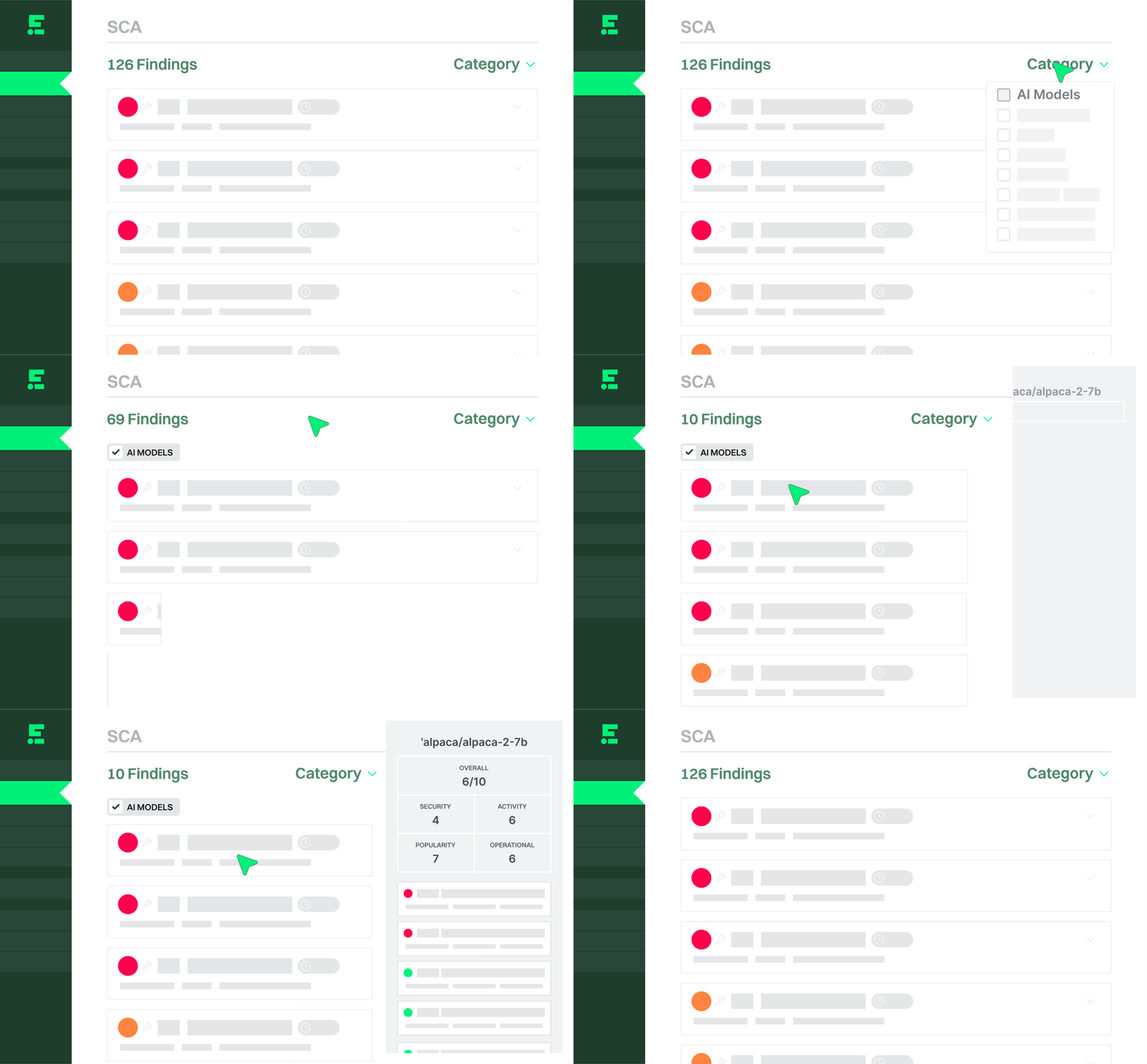
Most SCA tools flag every CVE in your dependency tree, leaving your team to manually investigate which findings are real. Under PCI DSS v4, every flagged vulnerability has to be tracked and either remediated or documented as managed, so a noisy tool directly increases your compliance burden. Endor Labs reduces that burden by filtering out unreachable findings before they hit your queue, and by correlating results across SCA, container, and SAST scans so one vulnerability produces one finding to manage, not several.
Yes. Requirement 6.2.4 requires that bespoke and custom software is developed to prevent common vulnerabilities. Endor Labs' SAST capabilities scan your first-party code for security weaknesses, and secret detection identifies hardcoded credentials and API keys before they reach production, both of which are direct concerns for any environment handling cardholder data. Combined with SCA for your dependencies, Endor Labs gives your team a single platform to manage vulnerability findings across your entire codebase, so nothing falls outside your compliance scope and your QSA sees a complete picture.
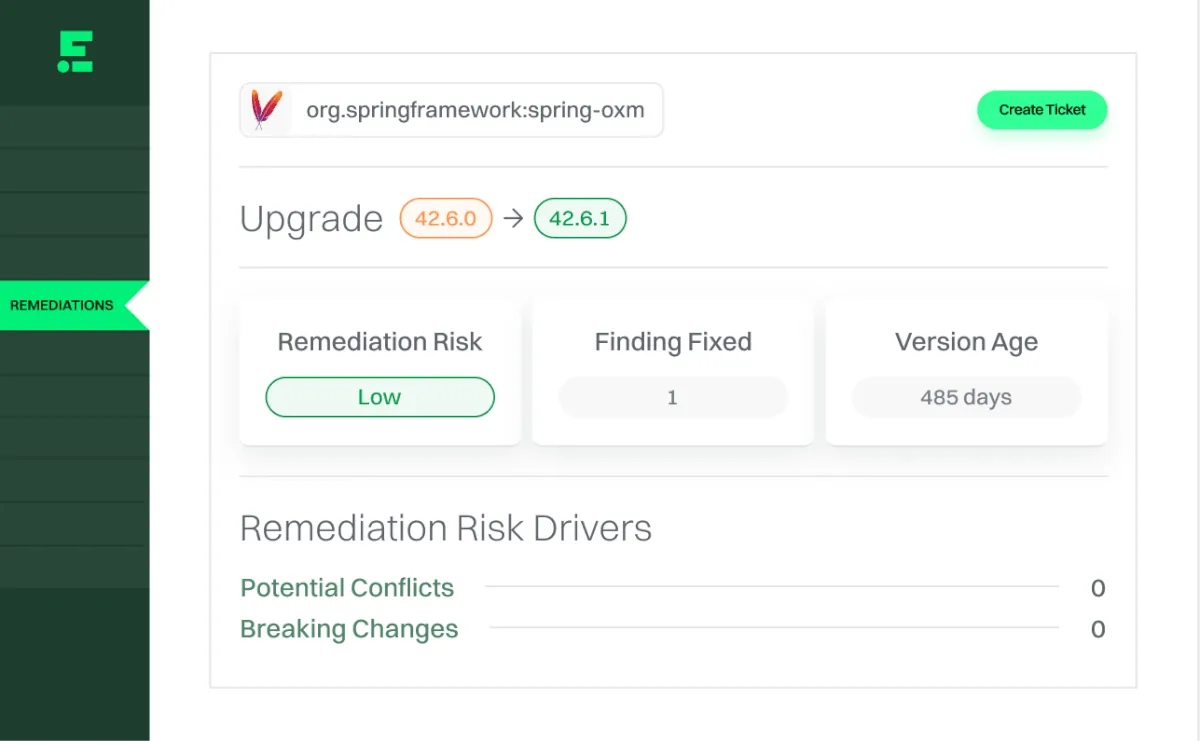
PCI DSS requires critical vulnerabilities to be patched within 30 days, and all others managed within a timeframe your organization defines. The biggest obstacle is usually upgrade risk, because upgrades can introduce breaking changes that make developers hesitant to remediate. Upgrade Impact Analysis shows your team exactly how risky each upgrade is before they commit, and Endor Patches provide backported security fixes for cases where a full upgrade cannot be completed within the required window.