
ISO 42001 compliant, developer approved.





How Endor Labs helps you achieve ISO 42001 certification



FAQs
ISO 42001 requires organizations to establish, implement, and maintain an AI Management System (AIMS), which is a structured set of policies, controls, and records that demonstrate AI systems are being governed responsibly. From a security standpoint, that means documenting how AI systems are built and used, implementing controls over AI supply chain risks, and maintaining traceable evidence that those controls operated consistently over time. Policies on paper are not sufficient. Auditors look for operational evidence: logs, scan results, risk assessments, and records of how findings were acted on.
If AI agents are a meaningful part of how you build or operate your product, ISO 42001 is likely relevant to you. The standard applies to organizations developing, providing, or using AI systems, and AI coding agents that write code, install dependencies, run commands, and interact with external services fall within that scope. For organizations pursuing certification, the standard requires demonstrating that you know what those agents are doing, that you have controls governing their behavior, and that you have an auditable record of their activity. Without visibility into agent behavior, that evidence doesn't exist.
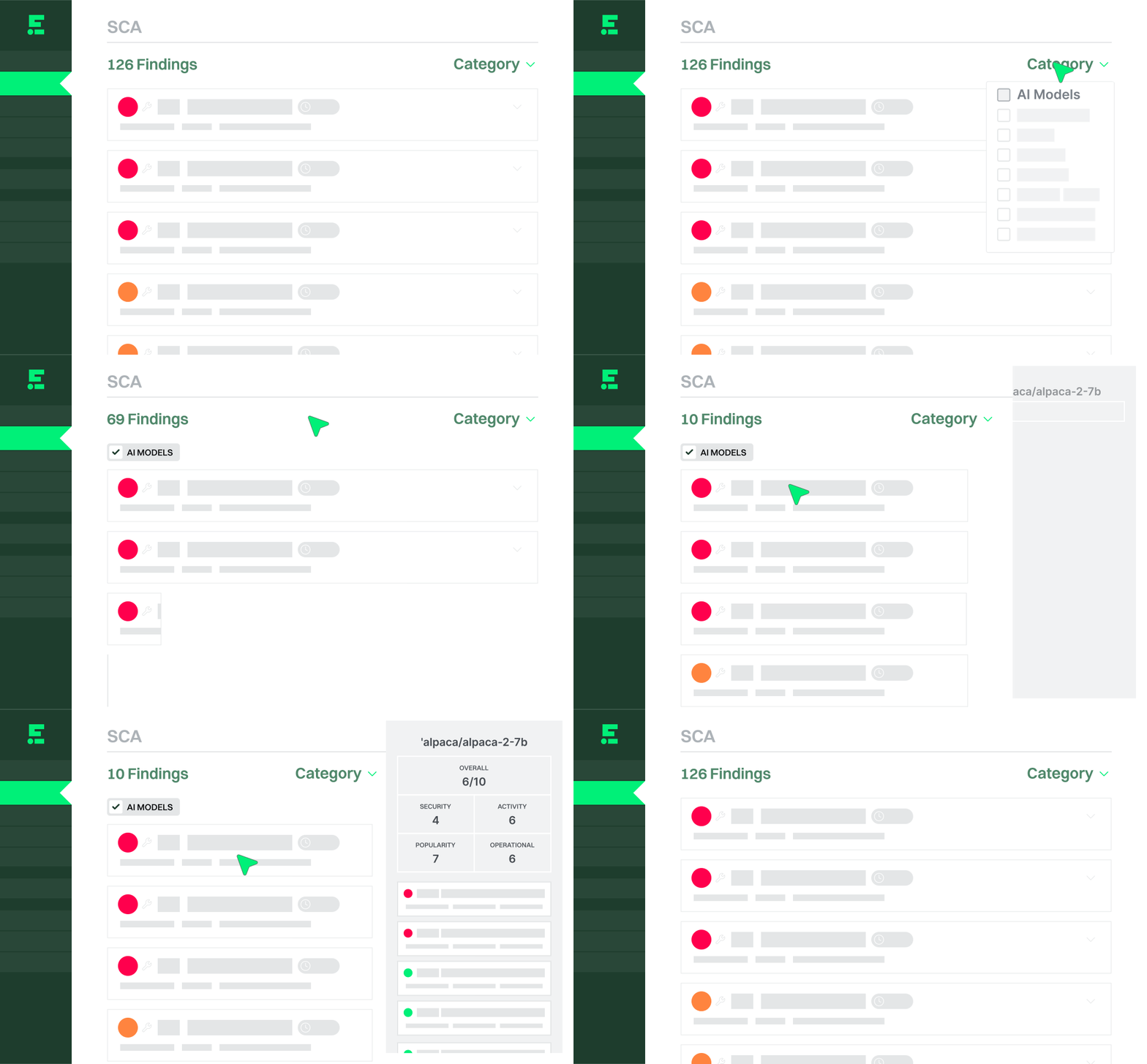
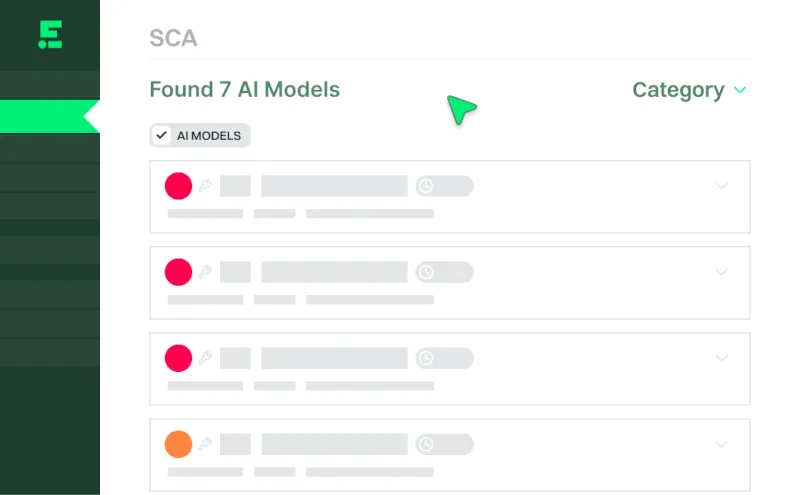
For organizations pursuing ISO 42001 certification, supply chain security controls are a core requirement, including integrity checks, provenance validation, and an accurate inventory of allAI components. In practice, AI coding agents dramatically amplify supply chain risk because they can install packages autonomously and at speed, with no human reviewing each dependency. Endor Labs addresses this through AI model discovery and inventory, giving you visibility into every AI asset in your environment. And Package Firewall addresses analyzes every package request in real time and blocking malicious or vulnerable packages before they reach your codebase, whether the request came from a developer or an agent.
Auditors conduct a two-stage process:
● Stage 1 reviews your AIMS design, including policies and documentation.
● Stage 2 evaluates operational effectiveness, interviewing staff and reviewing evidence that your controls actually ran consistently.
The evidence they expect includes AI system lifecycle records, risk treatment documentation, model and agent activity logs, incident reports, and records showing findings were acted on. Endor Labs produces most of this evidence automatically as a byproduct of normal scanning and governance activity, so you are not reconstructing your compliance history before the audit.
Certification typically takes 6-12 months from a standing start, or 4-6 months for organizations that already hold ISO 27001 certification and can reuse existing documentation and processes. Once certified, you undergo annual surveillance audits in years one and two, followed by a full recertification audit in year three. Surveillance audits focus on whether your controls are still operating effectively and whether you have evidence of continuous improvement, which means the evidence Endor Labs collects throughout the year is directly relevant to maintaining certification, not just achieving it.
.webp)