AppSec for the AI era of software delivery





How Endor Labs works for software and tech companies

Your Tools, Your Languages
— All Secured
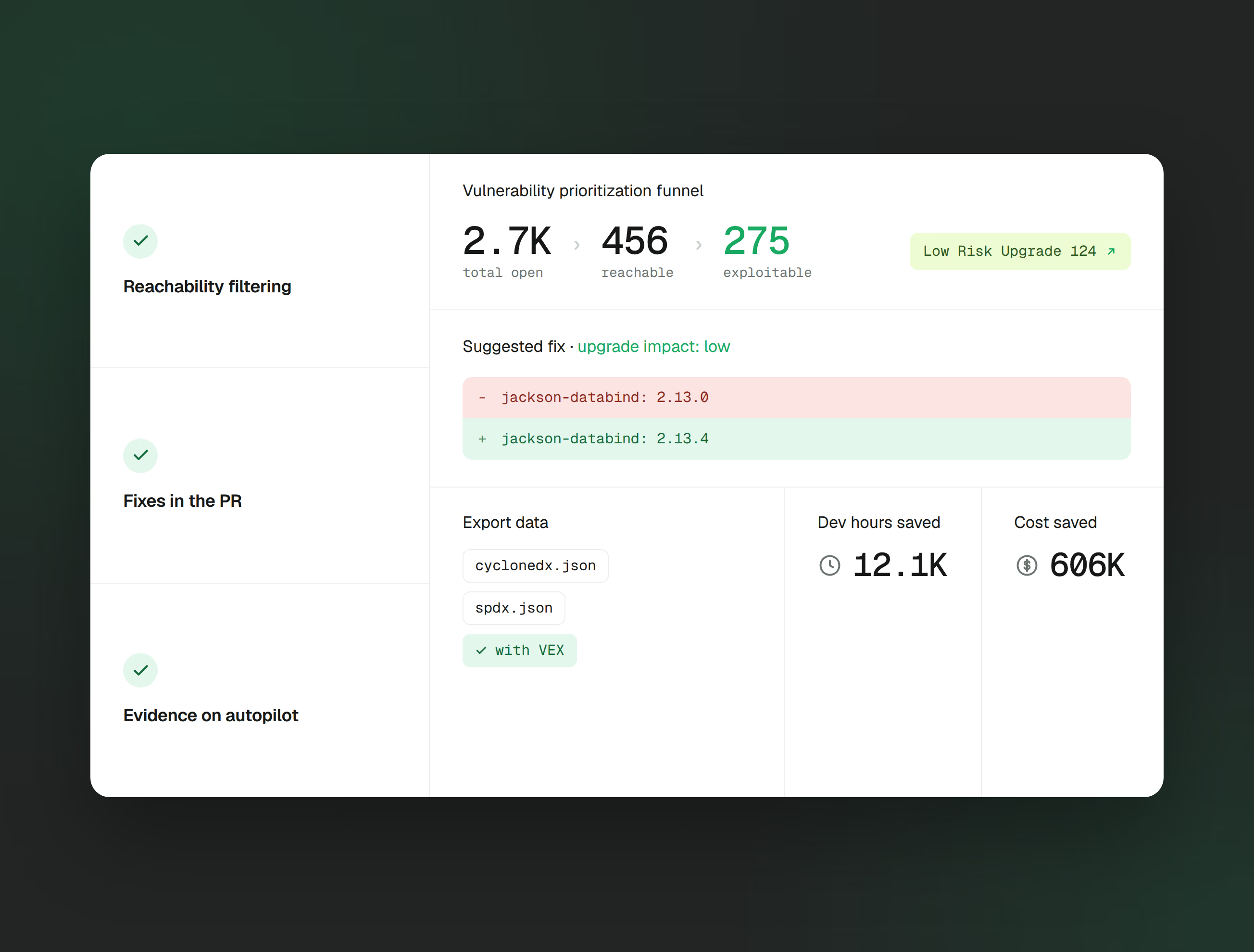
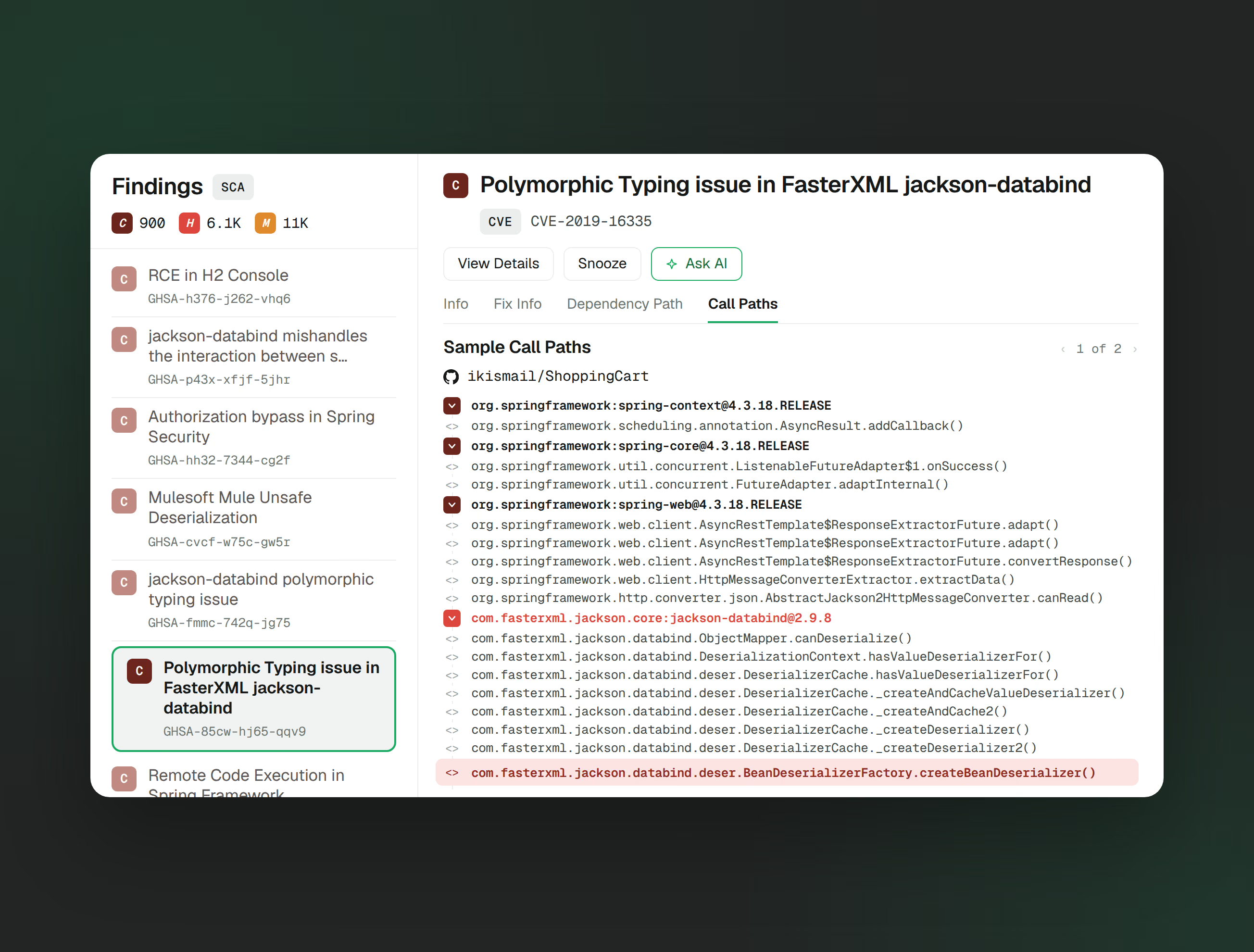
Scores estimate how severe or exploitable a vulnerability is in general. Function-level reachability determines whether your application actually calls the vulnerable function — with call-path evidence you can verify. Endor Labs analyzes reachability for both direct and transitive dependencies, so prioritization reflects your code, not an aggregate rating.
Endor Labs reduces SCA false positives by an average of 92% and eliminates up to 95% of SAST findings as false positives. Software companies report similar results in production: Cursor saw 97.5% noise reduction, Five9 went from nearly 50,000 findings to 30-40 actionable ones, and Astronomer cut findings by 99.1%.
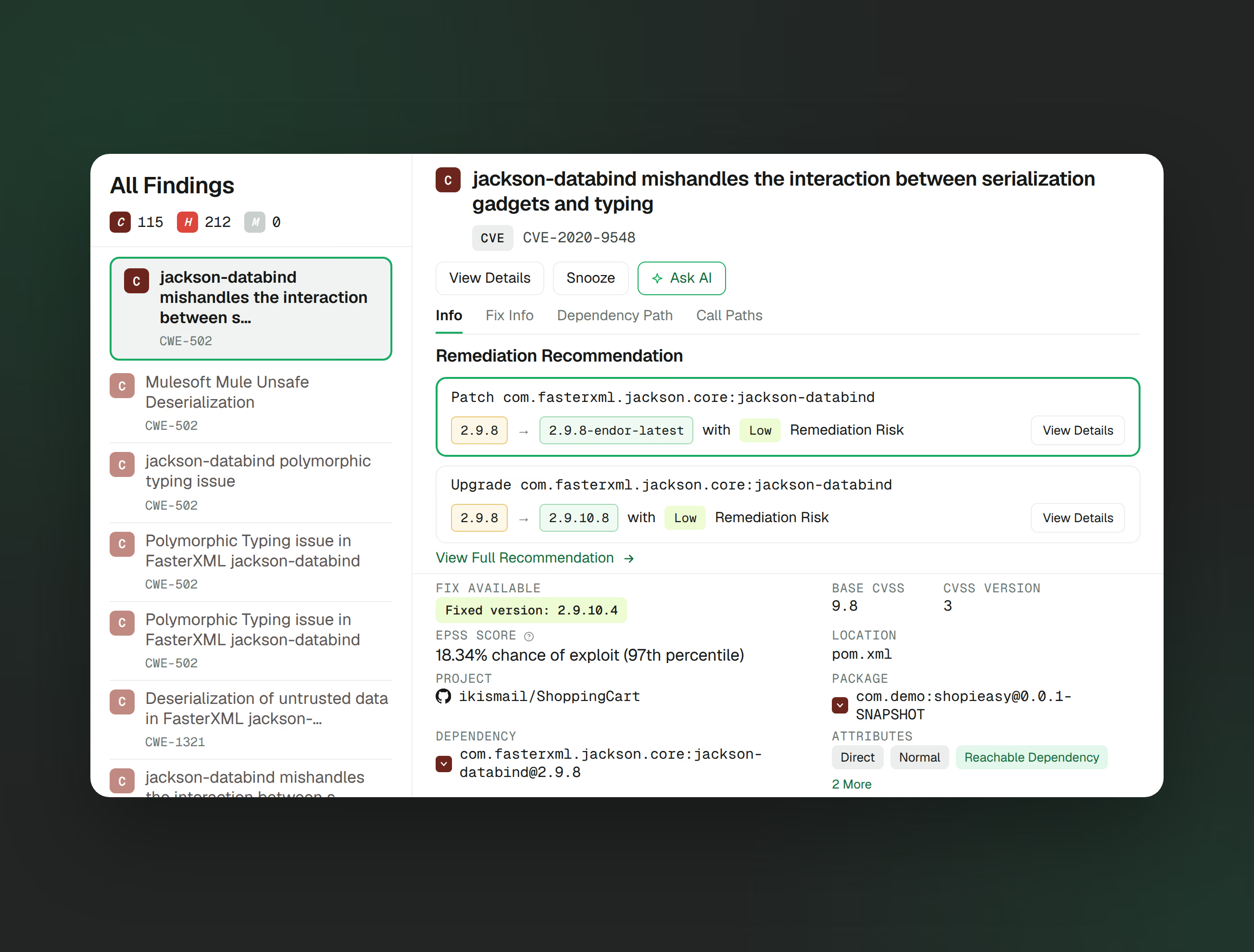
No — Endor Labs is built to fit developer workflows, not interrupt them. Findings land directly in the pull request with fixes attached, scans integrate with GitHub, GitLab, Bitbucket, and Azure DevOps, and policies let you warn first and block only on high-confidence, reachable findings.
Because Endor Labs maintains a complete, accurate inventory of how your dependencies are used, you can quickly confirm whether you're affected. Rubrik confirmed it wasn't using any of 187 compromised npm packages within about 30 minutes of disclosure, and Five9 remediated a zero-day across 40 projects in under two weeks.
Yes. SBOMs, VEX documents, and continuous monitoring evidence generate automatically with every scan. Rubrik uses Endor Labs to sustain FedRAMP continuous monitoring, and Astronomer uses it to satisfy CRA, DORA, and EU AI Act requirements for its European expansion.
Yes. Endor Labs covers SCA, SAST, secrets, containers, and AI code governance in one platform, so findings, contracts, and consoles stop multiplying. That includes securing code written by AI coding assistants and governing the models and agents your teams use.