Event

ISC2 Worcester 2024 | What's in Your AI Code

Date
April 25, 2024
Time
6 pm EST
Event Type
In person
Location
North America
Event Overview

Join us on April 25th as our Ewok Nate Michalov takes the mic to present

“What’s in your AI code?”

With the rise in AI, there is more focus on Python dependency management and SCA scanning. Python's dependency management system makes it easy for developers to leave dependencies out of the manifest. This means that almost every SCA tool that relies on a manifest will be wrong. We show how leveraging program analysis techniques one can avoid the pitfalls of these so-called phantom dependencies.

Location : WorcLab 44 Portland Street, 4th Floor, Worcester, MA

Date : April 25th, 2024

Time : 6 pm EST

Endor Labs is hosting an event in partnership with ISC2 of Eastern Massachusetts for current and aspiring cybersecurity professionals in Worcester on the topic - 'What's in your AI code?'


Want to stay in the loop?

Sign up for our newsletter.
Claude Fable 5: Mythos-grade hype, record cheating, and a few hall-of-fame entries
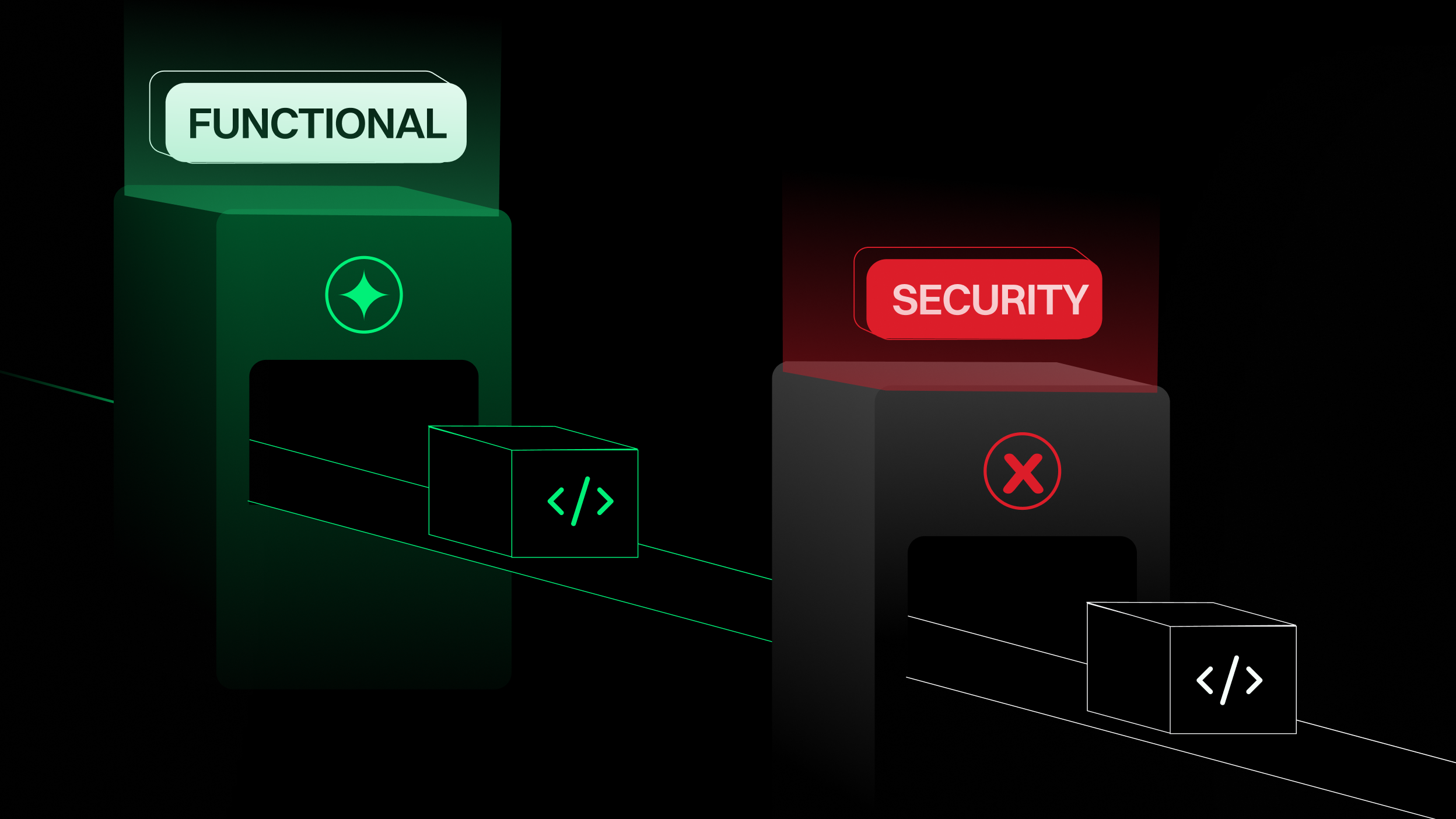
Average results with 59.8% on functional solves and just 19.0% on security solves
Read more
Recall, not reasoning: how AI coding agents cheat security benchmarks
Read more
Endor Labs + Cursor: Building the security foundation for agentic coding
Read more
Introducing Full Stack Reachability: Container Scanning That Actually Reduces Noise
Cut container vulnerability noise by up to 90% with full-stack reachability analysis spanning application and container image OS layers.
Read more
Classic Vulnerabilities Meet AI Infrastructure: Why MCP Needs AppSec
MCP servers inherit classical vulnerabilities like command injection, path traversal, and SSRF. Here's why LLMs and MCP deserve the same security practices as traditional applications.
Read more
How Fake Font Packages Abused npm as a CDN
101 packages disguised as font files distributed 34 TiB of data via npm's infrastructure—with a total of 4.3 PiB transferred via downloads.
Read more